Understanding the Costs of Running an Outdoor Dehumidifier
The Importance of Outdoor Dehumidifiers
Understanding Humidity and Its Effects
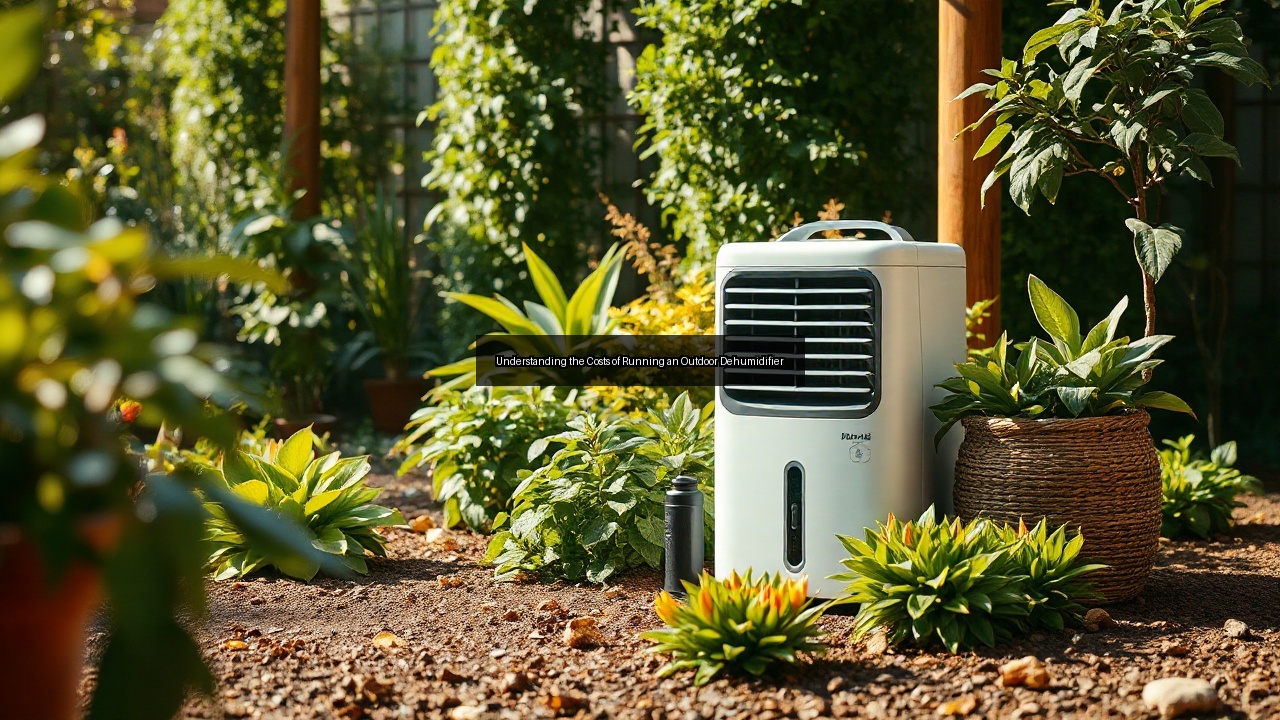
Humidity levels rise quickly in open areas and create persistent problems for structures, furnishings, and comfort. Excess moisture encourages mold growth on decks, corrodes metal fixtures, and warps wooden seating or railings. An outdoor dehumidifer pulls water vapor from the air before these issues compound, protecting investments in patios, poolside zones, and garden rooms. High humidity also makes outdoor spaces feel sticky and less usable during warm months, driving people indoors. By lowering moisture content, an outdoor dehumidifer restores balance so air feels fresh and surfaces stay dry. Property owners notice fewer musty odors and reduced insect activity when moisture drops below sixty percent relative humidity. Regular monitoring with a simple hygrometer reveals spikes that an outdoor dehumidifer can address immediately, preventing long-term damage that repair crews would otherwise fix at high cost.
Benefits of Dehumidification in Outdoor Spaces
Dehumidification improves livability across patios, gazebos, and covered porches by removing gallons of water daily. Industrial outdoor dehumidifiers handle larger volumes than residential units, making them suitable for commercial venues or expansive residential designs. Guests enjoy drier air that reduces skin irritation and fabric dampness on cushions or clothing. Equipment such as outdoor kitchens or AV systems lasts longer when moisture stays controlled, avoiding electrical shorts or rust. Dehumidified zones support better HVAC integration because drier incoming air reduces the load on interior cooling systems. Property values rise when potential buyers see functional outdoor rooms free of mildew stains. An air dehumidifier designed for exterior use operates reliably in fluctuating temperatures, delivering consistent results without constant oversight.
Cost Breakdown of Running an Outdoor Dehumidifier
Initial Purchase Costs
Prices for an outdoor dehumidifer range from several hundred dollars for compact models to several thousand for industrial outdoor dehumidifiers with large capacity tanks. Capacity measured in gallons per day determines the upfront investment, with units removing twenty to seventy gallons suited to different space sizes. Features such as built-in pumps, digital controls, and corrosion-resistant housings add to the base price yet extend service life. Buyers compare energy star rated compressors because these lower long-term electricity expenses. Shopping for the best outdoor dehumidifier involves checking current promotions and bundle options that include duct adapters or extra filters. Industrial dehumidifier options often justify higher purchase amounts through faster moisture removal and stronger construction for continuous duty.
Installation Expenses
Professional installation adds several hundred dollars depending on site access and electrical requirements. Technicians position the unit on a level pad, connect a drain line, and integrate it with existing HVAC ductwork when desired. Outdoor dehumidifers placed near power sources avoid expensive wiring runs, while remote locations may need trenching or conduit. Permits occasionally apply in residential communities that regulate exterior equipment appearance or noise. Proper placement prevents water from pooling around the base and ensures airflow remains unobstructed. Homeowners who attempt self-installation risk voiding warranties or creating safety hazards with improper electrical connections. A qualified technician verifies that the dehumidifier unit meets local codes and operates at peak efficiency from day one.
Operational Costs: Electricity and Maintenance
Electricity consumption forms the largest ongoing expense, with compressor size and daily runtime determining monthly bills. An energy star rated outdoor dehumidifer uses less power than older models while removing the same amount of moisture. Typical units draw between four hundred and eight hundred watts, translating to noticeable costs during humid seasons. Maintenance includes cleaning coils, replacing filters, and emptying the tank or checking the drain line every few weeks. Replacement parts such as sensors or fans add occasional expenses, yet routine care prevents breakdowns that require service calls. Tracking energy use through a plug-in meter helps owners adjust settings and identify when a unit runs longer than necessary, keeping operational costs predictable.
Factors Influencing Energy Consumption
Compressor Efficiency and Energy Star Ratings
Compressor design directly affects how much electricity an outdoor dehumidifer consumes during each cycle. Energy star certified models meet strict efficiency standards and often include variable-speed compressors that adjust output to current moisture levels. These units avoid the constant on-off cycling that wastes power and stresses components. Higher efficiency ratings translate into lower kilowatt-hour usage, which matters most in regions where electricity rates climb during peak summer months. Manufacturers publish energy factor data so buyers can compare performance before purchase. An industrial outdoor dehumidifier with an advanced compressor may cost more initially but recovers the difference through reduced energy bills over several seasons of regular operation.
Impact of Room Size and Moisture Levels
Larger outdoor areas or those near water features require units with greater moisture removal capacity, which increases energy draw. A dehumidifier sized correctly for the space runs shorter cycles and uses less electricity overall than an undersized model that runs continuously. High initial moisture readings demand more compressor work until levels stabilize. Owners measure square footage and typical humidity to select the right capacity in gallons per day. Oversized units cycle on and off more frequently, which can raise energy use slightly yet protect against sudden humidity spikes. Matching capacity to conditions prevents both excessive power consumption and inadequate dehumidification that leaves surfaces damp.
Frequency of Usage and Seasonal Considerations
Daily runtime varies with weather patterns, pushing energy costs higher during rainy periods or in coastal climates. Spring and fall often require moderate operation, while midsummer demands longer cycles. Seasonal timers or smart controls integrated with an outdoor dehumidifer allow owners to reduce runtime when outdoor conditions improve. Continuous use in enclosed outdoor rooms keeps humidity stable but increases electricity totals compared with intermittent operation. Tracking usage across months reveals patterns that guide adjustments, such as raising the set point during drier weeks. Proper seasonal shutdown procedures, including coil cleaning and cover installation, protect the unit and preserve efficiency for the next humid season.
Maximizing Efficiency and Reducing Costs
Selecting the Right Dehumidifier Unit
Choosing an outdoor dehumidifer with the correct capacity and features prevents wasted energy and unnecessary expense. Large capacity dehumidifier models excel in expansive spaces or high-moisture environments, while smaller units suffice for modest patios. Features such as auto-restart, low-temperature operation, and washable filters improve reliability and reduce service needs. Comparing air dehumidifiers from multiple brands reveals differences in noise levels and warranty terms that affect total ownership cost. An industrial dehumidifier often includes heavy-duty components that withstand weather exposure better than consumer-grade alternatives. Matching the unit to actual conditions ensures it removes moisture efficiently without running longer than required.
Routine Maintenance and Troubleshooting Tips
Regular filter cleaning keeps airflow strong and prevents the compressor from working harder than necessary. Checking the drain line for clogs avoids water backup that could trigger shutdowns or damage floors. Owners inspect coils for frost or dirt buildup and clean them with approved solutions to maintain heat transfer efficiency. Simple troubleshooting, such as verifying power connections or resetting error codes, resolves minor issues without service calls. Keeping a maintenance log tracks part replacements and performance changes over time. These habits extend equipment life and hold electricity costs steady by preserving peak operating conditions throughout the year.
Utilizing Duct Systems for Enhanced Performance
Duct connections distribute dehumidified air evenly across larger outdoor rooms or multiple zones. Proper duct design reduces short cycling and allows a single outdoor dehumidifer to serve more square footage efficiently. Insulated ducts prevent condensation on exterior lines and maintain consistent temperatures. Integrating the system with existing HVAC ductwork creates whole-space dehumidification that lowers the load on primary cooling equipment. Technicians size ducts to match airflow requirements so static pressure remains low and energy use stays controlled. This approach maximizes the value of each gallon removed and delivers uniform comfort without additional standalone units.
Warranties and Long-Term Investments
Understanding Warranty Coverage for Dehumidifiers
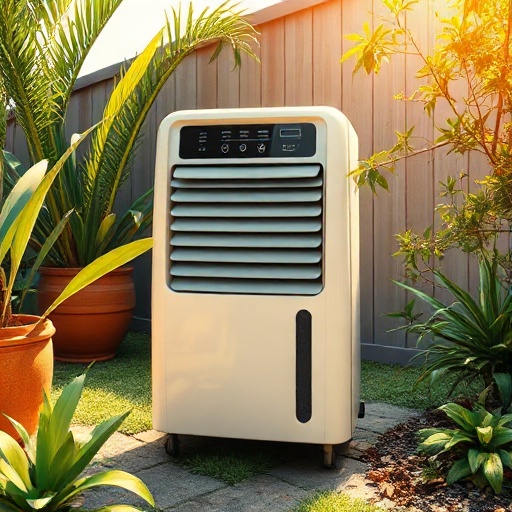
Manufacturer warranties typically cover the compressor for five to ten years and other components for one to three years. Registration within a set period activates full coverage and ensures access to authorized service centers. Warranties often exclude damage from improper installation or lack of maintenance, so owners follow recommended schedules to stay protected. Extended warranties purchased at the time of sale add peace of mind for high-use installations. Reviewing terms reveals what constitutes normal wear versus covered defects, helping owners plan for eventual component replacement. Clear documentation of purchase date and serial number speeds any future claims process.
Evaluating the Long-Term Value of Industrial Outdoor Dehumidifiers
Industrial outdoor dehumidifiers deliver strong return through durability and high moisture removal rates that smaller units cannot match. Lower failure rates and robust construction reduce replacement frequency, spreading the initial investment across many seasons. Energy savings from efficient compressors accumulate yearly, offsetting purchase and installation expenses. Property owners who calculate total cost of ownership, including electricity and maintenance, often find these units more economical than repeated purchases of lighter-duty models. Reliable dehumidification also preserves outdoor furnishings and structures, avoiding replacement costs that exceed equipment expenses. Long-term value grows when the unit integrates smoothly with HVAC systems and maintains performance across temperature swings.
See Also
- DIY Tips for Maintaining Your Outdoor Dehumidifier
- The Science Behind Outdoor Humidity and the Role of Dehumidifiers
- Exploring the Benefits of a High-Capacity Outdoor Dehumidifier
- Top Features to Look for in an Energy Efficient Outdoor Dehumidifier
- How Outdoor Dehumidifiers Improve Air Quality and Comfort