The Role of Dedicated Outdoor Air Systems in Maintaining Indoor Air Standards
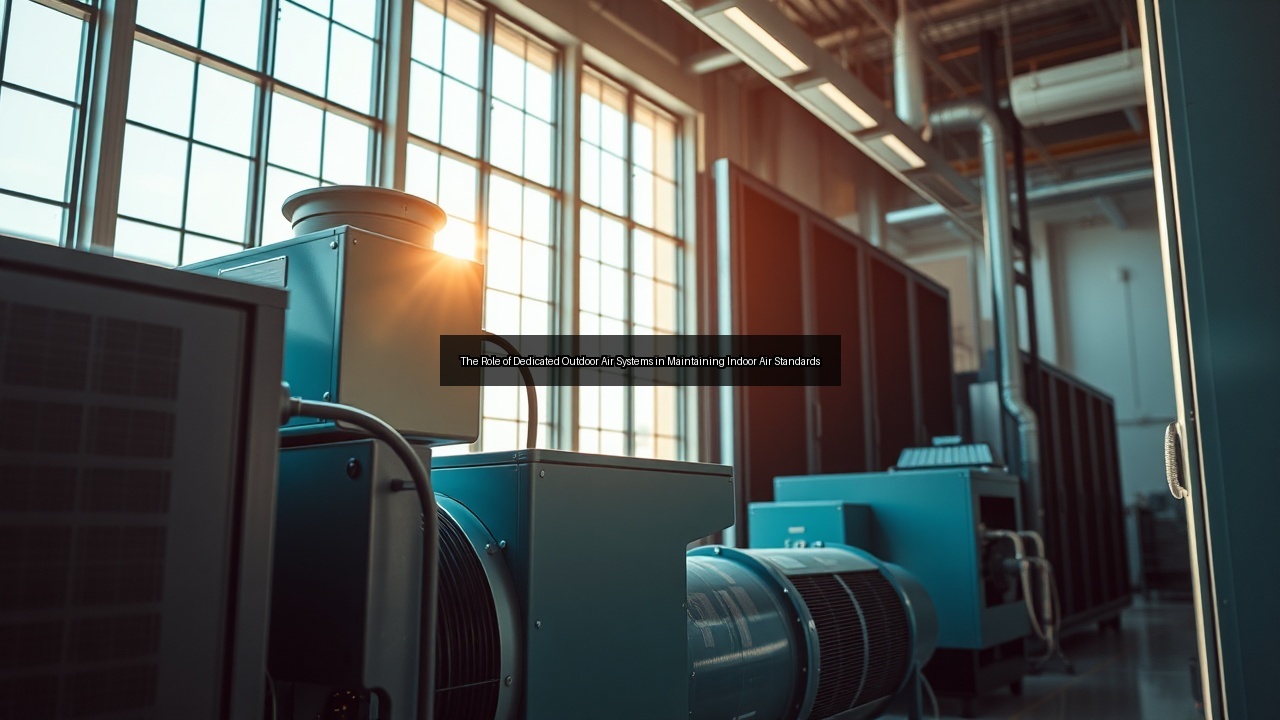
Understanding Dedicated Outdoor Air Systems (DOAS)
What is a Dedicated Outdoor Air System?
A dedicated outdoor air system (DOAS) is a specialized HVAC configuration designed to deliver outdoor air directly to a building's interior spaces. Unlike traditional systems that mix indoor and outdoor air, a DOAS focuses solely on ventilating with fresh air, ensuring that the indoor environment remains free of pollutants and harmful particulates. This system is crucial for maintaining high air quality standards, particularly in spaces where occupants are sensitive to air contaminants. By removing stale air and replacing it with clean outdoor air, a DOAS enhances overall comfort and productivity. The design typically includes a heat exchanger, filters, and dehumidification components, allowing it to maintain optimal temperature and humidity levels while ensuring a healthy air supply.
How DOAS Works to Improve Indoor Air Quality
DOAS operates by continuously drawing in outdoor air, filtering it to remove pollutants, and conditioning it to meet specific temperature and humidity requirements. This process significantly reduces the concentration of indoor air contaminants, such as carbon dioxide, volatile organic compounds, and particulate matter. With a DOAS, the air quality remains consistently high, promoting better health outcomes for building occupants. The system can be integrated with other air conditioning solutions, allowing for comprehensive climate control that meets strict indoor air quality standards. Furthermore, a well-implemented DOAS can adapt to changes in occupancy and usage patterns, ensuring that ventilation rates remain sufficient at all times.
The Importance of Calibration in DOAS Performance
Calibration plays a critical role in the effectiveness of a dedicated outdoor air system. Proper calibration ensures that the system operates at its designed capacity, delivering the right amount of outdoor air based on occupancy levels and environmental conditions. Without precise calibration, the DOAS may either over-ventilate, leading to unnecessary energy consumption, or under-ventilate, compromising indoor air quality. Regular assessments and adjustments to the system help maintain its reliability and efficiency. Companies investing in DOAS should prioritize continuous monitoring and calibration to adapt to changes in air quality and occupancy, thus maximizing the benefits of their investment.
Applications of Dedicated Outdoor Air Systems
DOAS in Commercial Buildings: Enhancing Air Quality
In commercial buildings, maintaining superior air quality is essential for occupant comfort and health. DOAS installations in these environments facilitate improved ventilation rates, ensuring that the air remains fresh and free from pollutants. This is particularly important in spaces like offices, retail stores, and conference rooms, where large numbers of people gather. By utilizing a dedicated outdoor air system, companies can significantly reduce the risk of airborne diseases and improve overall workplace productivity. Additionally, the integration of DOAS with existing HVAC systems can optimize energy use and reduce operating costs. The adaptability of DOAS makes it a preferred choice for modern commercial buildings striving for sustainability and enhanced occupant well-being.
Utilization of DOAS in Server Rooms and Data Centers
Server rooms and data centers require precise environmental control to ensure optimal performance of sensitive equipment. A dedicated outdoor air system provides a reliable solution for cooling these spaces while maintaining air quality. By bringing in fresh outdoor air, DOAS can help mitigate the buildup of heat and humidity generated by servers. This approach not only enhances cooling efficiency but also prolongs the lifespan of critical hardware. Furthermore, the controlled ventilation offered by DOAS reduces the risk of dust accumulation and other contaminants that can disrupt server functionality. Companies operating data centers can leverage DOAS technology to create a stable environment that supports high-performance computing and data management.
The Role of DOAS in Oil and Gas Industries
In the oil and gas industries, maintaining air quality is crucial for worker safety and regulatory compliance. Dedicated outdoor air systems play a vital role in ensuring that work environments remain safe from harmful emissions and concentrations of volatile organic compounds. In drilling sites and refineries, DOAS can effectively filter and ventilate air, allowing workers to operate in healthier conditions. The systems also help manage humidity and temperature, which are critical factors in preventing equipment corrosion and maintaining operational efficiency. By implementing DOAS, companies in the oil and gas sector can enhance workplace safety, improve compliance with environmental regulations, and foster a more productive workforce.
Engineering Considerations for Implementing DOAS
Designing a Reliable DOAS: Key Engineering Aspects
The design of a dedicated outdoor air system must consider various engineering aspects to ensure reliability and performance. Key factors include the selection of appropriate components, such as heat exchangers, filters, and fans. Engineers should also focus on airflow dynamics, ensuring that the system can deliver the required volume of outdoor air efficiently. Proper ductwork design is critical to minimizing resistance and maintaining optimal air pressure. Additionally, integrating advanced control systems can enhance the adaptability of DOAS to changing conditions, ensuring that indoor air quality remains consistent. By prioritizing these engineering considerations, companies can develop a DOAS that meets their specific needs and supports long-term operational goals.
Cost Analysis: Investment vs. Long-Term Benefits
Implementing a dedicated outdoor air system involves an upfront investment, but the long-term benefits often outweigh these initial costs. A comprehensive cost analysis should consider factors such as energy savings, reduced healthcare costs from improved air quality, and enhanced productivity due to better indoor environments. A DOAS can lead to lower energy bills by optimizing ventilation rates and reducing the load on traditional HVAC systems. Over time, the return on investment becomes evident as companies experience fewer sick days, improved employee morale, and compliance with increasingly stringent air quality regulations. For organizations prioritizing health and sustainability, the financial benefits of a DOAS present a compelling case for adoption.
Three Phase Systems: Optimizing Energy Efficiency and Performance
Three phase systems offer significant advantages in optimizing the energy efficiency and performance of dedicated outdoor air systems. By utilizing three-phase electric power, these systems can operate at higher efficiency levels, reducing energy consumption while maintaining effective airflow and ventilation. The design of three-phase DOAS enables smoother operation and less wear on components, leading to increased reliability and longevity. Additionally, the ability to modulate fan speeds based on demand allows for tailored ventilation solutions that adapt to varying occupancy levels. Companies can achieve substantial energy savings and operational efficiencies by investing in three-phase dedicated outdoor air systems, making them an attractive option for modern building applications.
Future Trends in Dedicated Outdoor Air Systems
Integrating DOAS with Modern Air Conditioning Solutions
The future of dedicated outdoor air systems lies in their integration with advanced air conditioning solutions. As building designs evolve towards greater energy efficiency and sustainability, the seamless combination of DOAS and modern air conditioning technologies becomes essential. This integration allows for enhanced control over indoor climates, enabling systems to respond dynamically to changes in occupancy and outdoor conditions. Smart building technologies, including IoT devices and advanced monitoring systems, can optimize performance further by providing real-time data and automating adjustments. Such advancements will not only improve air quality but also contribute to reduced energy consumption and lower operational costs.
The Impact of Ozone Regulations on Outdoor Air Systems
Ozone regulations influence the design and operation of dedicated outdoor air systems significantly. As governments implement stricter standards to combat air pollution and protect public health, companies must adapt their systems to comply with these regulations. This could involve using low-ozone-emitting materials and technologies in DOAS designs or incorporating advanced filtration systems that minimize ozone levels in indoor environments. Proactive adaptation to these regulatory changes will not only enhance compliance but will also improve overall air quality for occupants. By staying ahead of these trends, companies can ensure their dedicated outdoor air systems align with future environmental standards and contribute to healthier indoor environments.
Innovations in Interface Technologies for Enhanced Control
Innovations in interface technologies are shaping the future of dedicated outdoor air systems, enabling enhanced control and monitoring capabilities. Modern user interfaces allow facility managers to access real-time data, adjust settings remotely, and optimize system performance efficiently. Touchscreen controls and mobile applications provide intuitive ways to manage DOAS functionalities, from ventilation rates to air quality monitoring. Furthermore, integrating artificial intelligence and machine learning into these systems can lead to predictive analytics that anticipate changes in air quality and occupancy patterns. Such innovations will empower companies to achieve greater operational efficiencies, reduce energy costs, and ensure consistently high indoor air standards.
See Also
- Why Your Business Needs a Dedicated Outdoor Air System for Optimal Performance
- How to Select the Right Dedicated Outdoor Air System for Your Facility
- Maximizing Server Room Efficiency with a Dedicated Outdoor Air System
- How Dedicated Outdoor Air Systems Improve HVAC Efficiency in Commercial Buildings